Pool service is local and recurring. The searches that matter come from pool owners near your route: someone with a green pool before a party, someone whose old pool guy stopped showing up, someone opening for the season. This guide covers how local search works for pool companies and what to do in a few evenings to show up.
- Google says local results come from relevance, distance and prominence. Profile, pages and reviews are what you control.
- Weekly service, openings and closings, green pool cleanups and repairs are separate searches.
- Your best customers live near your current route. Town pages and neighbor mail keep it tight.
- Before and after photos of green pools are strong proof.
- Ask every customer for a review, and never offer anything for one.
How Google decides which pool service companies to show
Google's help page on local ranking says local results are mainly based on relevance, distance and prominence (it also calls the last one popularity): how well your profile matches the search, how far you are from the searcher and how well known your business is.
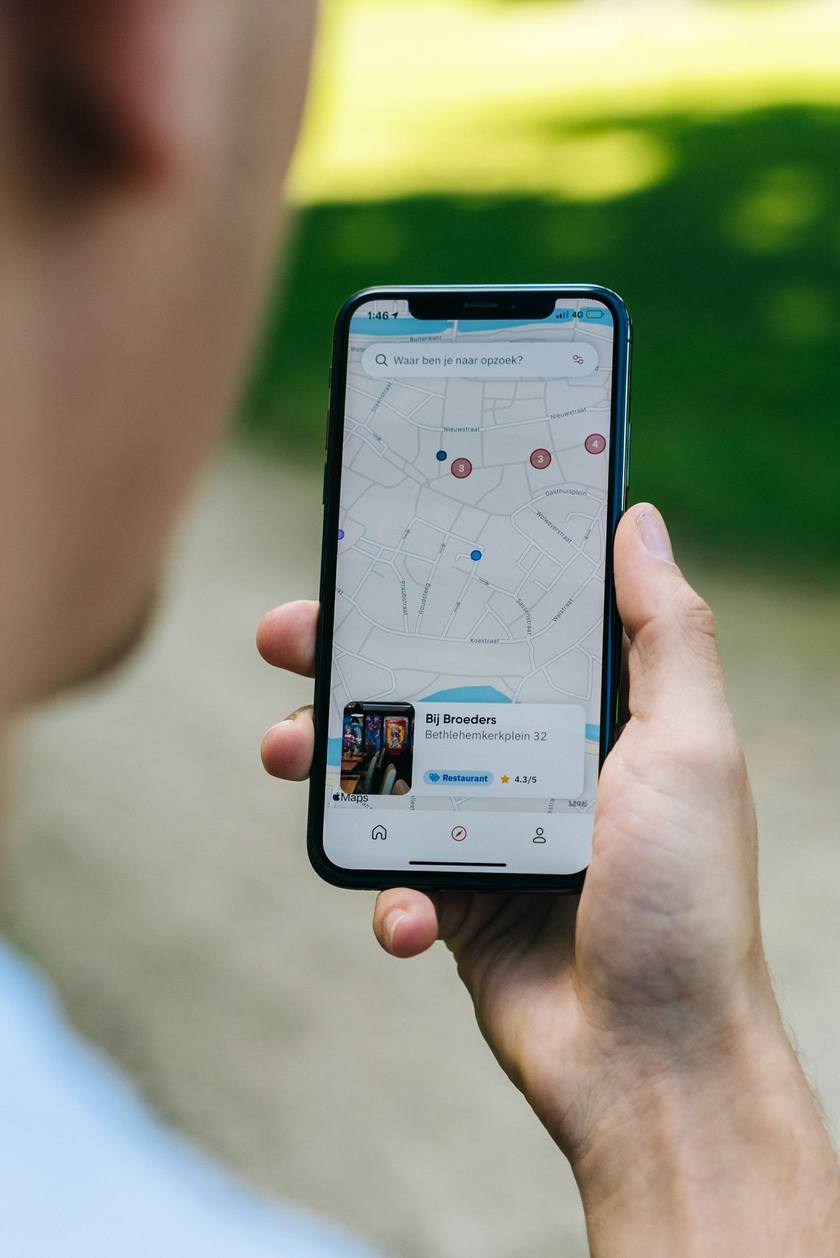
Most pool service buyers start with one of two searches: "Pool service near me", which Google answers with the map, or "Green pool cleanup, pool opening", which it answers with web pages. Each is won a different way.
Three kinds of pool service searches
| Search | The customer | What wins |
|---|---|---|
| Pool service near me | Wants a weekly tech | Listing, reviews, reliability |
| Green pool cleanup, pool opening | Needs it done before a date | A page and a fast answer |
| Pool pump repair, heater repair | Equipment problem | A repair page and photos |
Weekly service searches come from new pool owners and people unhappy with their current company. They read reviews for words like reliable and communicates.
Deadline searches come before parties and the start of summer. Answer fast and give a time.
Repair searches come from owners with a failed pump or heater. A page that lists the brands you service and explains repair versus replace earns those calls.
When pool service searches pick up
Demand for pool service is not flat. It peaks around opening season and the heat of summer and drops in winter, outside warm states. Pages and posts that match the season should be live before these months:
- February (get ready): pool opening bookings
- March (busy): openings and green pool cleanups
- April (busy): weekly service signups
- May (busy): full summer routes
- June (busy): algae and equipment failures
- July (busy): heat and heavy use
- October (get ready): pool closings
Step 1: the Business Profile
Three rules in Google's guidelines trip up more pool service companies than anything else:
- Real name only. Stuffing services or towns into the name breaks Google's guidelines and can lead to a suspension. "Westbrook Pool Service" is fine. "Westbrook Pool Service Weekly pool cleaning Green pool cleanups Near Me" is not.
- Few categories. Google wants the fewest categories that describe what the business mainly is.
- Service area, address hidden. Google says a service-area business should hide its address from customers. Google says the service area should stay within about 2 hours of driving from where you are based.
Before and after shots of green pools turning blue work best. Add equipment pads you installed, your techs and trucks, and clean pools on a sunny day. Your name, number and hours should match your website word for word. Koira keeps Google and Bing listings in step with your site.
Step 2: the pages a pool service site needs
Think of each page as the answer to one search. For pool service companies, that means at least these:
- Weekly pool service. What each visit includes: skimming, brushing, chemicals, filter checks and a service report.
- Openings and closings with the dates you start booking.
- Green pool cleanup. What it takes and how long.
- Equipment repair and upgrades. Pumps, filters, heaters and automation.
- Commercial pools for HOAs and apartments, if you do them.
- One page per neighborhood or town on your route.
A clear page title says what and where: "Green pool cleanups in Brandon, FL | Westbrook Pool Service". Google's starter guide calls keyword stuffing a breach of its spam policies. Koira builds those service and town pages for you, from your business and price list.
Step 3: every finished job is proof
Green to blue is the most convincing before and after in any trade. Post one a month with the town and what it took. It keeps your profile and site fresh and shows Google which neighborhoods you serve.
If writing posts is the part you will never get to, Koira posts a finished job each month from the photos you already take on your phone.
Step 4: reviews from every job
Google counts links to your website and the number of reviews you have toward prominence. Buyers of pool service read reviews closely, so every new one helps twice: once with Google and once with the person deciding.
Google says offering incentives, like free or discounted goods or services, in exchange for reviews is strictly prohibited. Google's Maps policy also forbids discouraging negative reviews or asking only happy customers.
- Ask every customer, when the job is paid and the work is fresh.
- Reply to every review. Mention the tech by name if the customer did; weekly customers care who shows up.
- For complaints, the free review reply generator drafts a calm reply for any star rating.
Koira asks for the review an hour after payment and drafts the reply.
Check where you stand
Koira's free AI report shows your search results, listings, reviews and website the way a customer sees them, next to pool service companies near you.
Step 5: links you already have a reason to get
Links to your site count toward prominence, according to Google's local ranking page. Useful links: equipment manufacturers' dealer or service locators, the pool supply store you use, HOAs that list vendors, and realtors who send inspection work.
What to skip
- Guaranteed rankings. Google is plain about it: you cannot request or pay for a better local ranking.
- Fake offices. Google's guidelines say a rented mailing address you do not operate from, a virtual office, is not eligible for a Business Profile.
- The keywords meta tag. Google's starter guide says plainly that the keywords meta tag is not used by Google Search.
How to tell if it is working
- Calls, website clicks and direction requests from your Business Profile, by month.
- Requests for weekly pool cleaning and green pool cleanups that came from your site.
- Reviews per month compared with jobs finished.
- Where each booked pool service job came from.
Give it a season before you judge. Some changes take hours and some take several months to show, according to Google's starter guide. Koira's reporting shows dollars paid on jobs Koira touched first, next to what Koira cost.
Paid leads alongside SEO
SEO takes months; some weeks you need calls now. Google lists "Pool cleaner" for Local Services Ads, which charge per lead and sit above the map. See pool service leads: where to buy them and how to need fewer, and pool service marketing ideas for the rest of the plan.
Where Koira fits
Everything above can be done by hand. If you would rather be on the job, Koira does the repeating parts: a site built from your business with Book online and Get a price, town and service pages, matching listings, review asks and a monthly post. The site, estimates and invoices are free on Office; the receptionist and text-back are on Grow at $249 a month plus usage at cost. See pricing or how a pool service company runs on Koira.
Questions contractors ask
How do pool service companies get more customers from Google?
Verify your profile, list the areas you serve, add pages for weekly service, openings, cleanups and repairs, post before and after photos and ask every customer for a review.
Should I list my service area by neighborhood?
Google lets service-area businesses set up to 20 service areas by city or postal code. Choose the areas your route really covers.
Do pool companies need a website?
A simple one with your services, towns, photos and a way to book or get a price helps buyers who are comparing and gives Google pages to show.
Can I give a discount for a Google review?
No. Google says offering incentives, like free or discounted goods or services, in exchange for reviews is strictly prohibited.
Sources
- Google Business Profile Help: Tips to improve your local ranking on Google, checked October 9, 2026
- Google Business Profile Help: Guidelines for representing your business on Google, checked October 9, 2026
- Google Business Profile Help: Manage your service areas, checked October 9, 2026
- Google Business Profile Help: Tips to get more reviews, checked October 9, 2026
- Google Maps user contributed content policy: prohibited and restricted content, checked October 9, 2026
- Google Search Central: SEO Starter Guide, checked October 9, 2026
- Koira: pricing, checked October 9, 2026
- Local Services Help: Getting started with Local Services Ads (United States), checked October 9, 2026