- Citations are mentions of your NAP (name, address, phone) across the web — they tell search engines your business is real and where it operates.
- Tier-one directories (Google Business Profile, Apple Maps, Yelp, Bing Places, Facebook) carry the most weight; fixing errors there first is the highest-ROI move.
- Inconsistent NAP data across sources — even small formatting differences — dilutes your local ranking signal and confuses AI-powered answer engines.
- Niche and local directories matter for relevance signals, but only after the major platforms are clean.
- A citation audit takes about two hours and should be repeated every six months or whenever your address, phone number, or business name changes.
- Duplicate listings are often more damaging than missing listings — find and suppress them before building new citations.
What a Citation Actually Is
A local citation is any place on the web where your business name, address, and phone number appear together — or even partially together. The combination is called your NAP: Name, Address, Phone. Search engines use citations to verify that your business exists at the location you claim and that the contact information you provide is trustworthy.
Citations don't have to link back to your site to count. A mention on Yelp, a listing in a local chamber of commerce directory, a data aggregator record — all of these are citations whether or not there's a hyperlink attached. The link is a bonus; the mention is the signal.
Why does this matter in 2026? Because local search — including the AI-generated answer panels now dominating mobile results — depends heavily on corroborating data. When Google, Perplexity, or Apple Maps shows your business to someone nearby, they've already cross-referenced your NAP across dozens of sources. If those sources disagree, you get ranked lower or omitted entirely.
The Citation Hierarchy: Tier One vs. Everything Else
Not all citations carry equal weight. Think of it as a three-tier pyramid.
Tier One: The Platforms That Actually Move Rankings
These are the sources that local search algorithms trust most heavily:
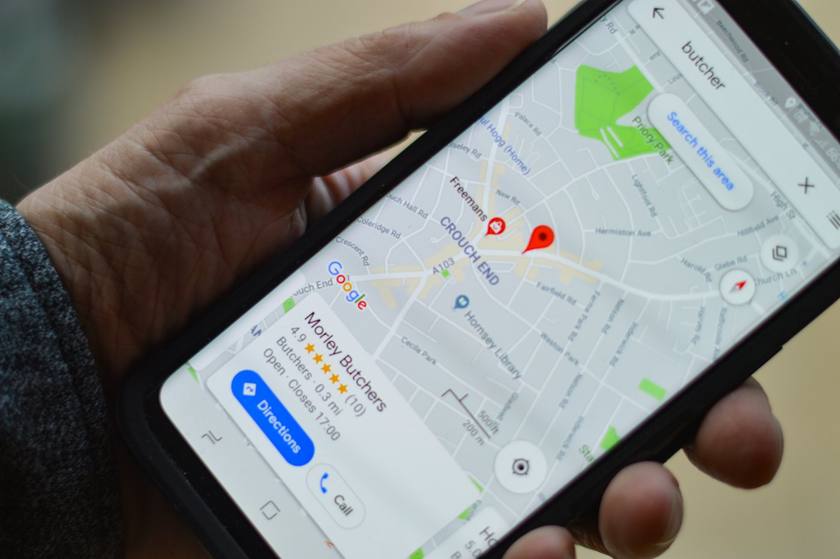
- Google Business Profile — The single most important citation. It feeds Google Maps, Google Search local packs, and the AI Overviews that now appear for most local queries. If you have one citation to fix, fix this one.
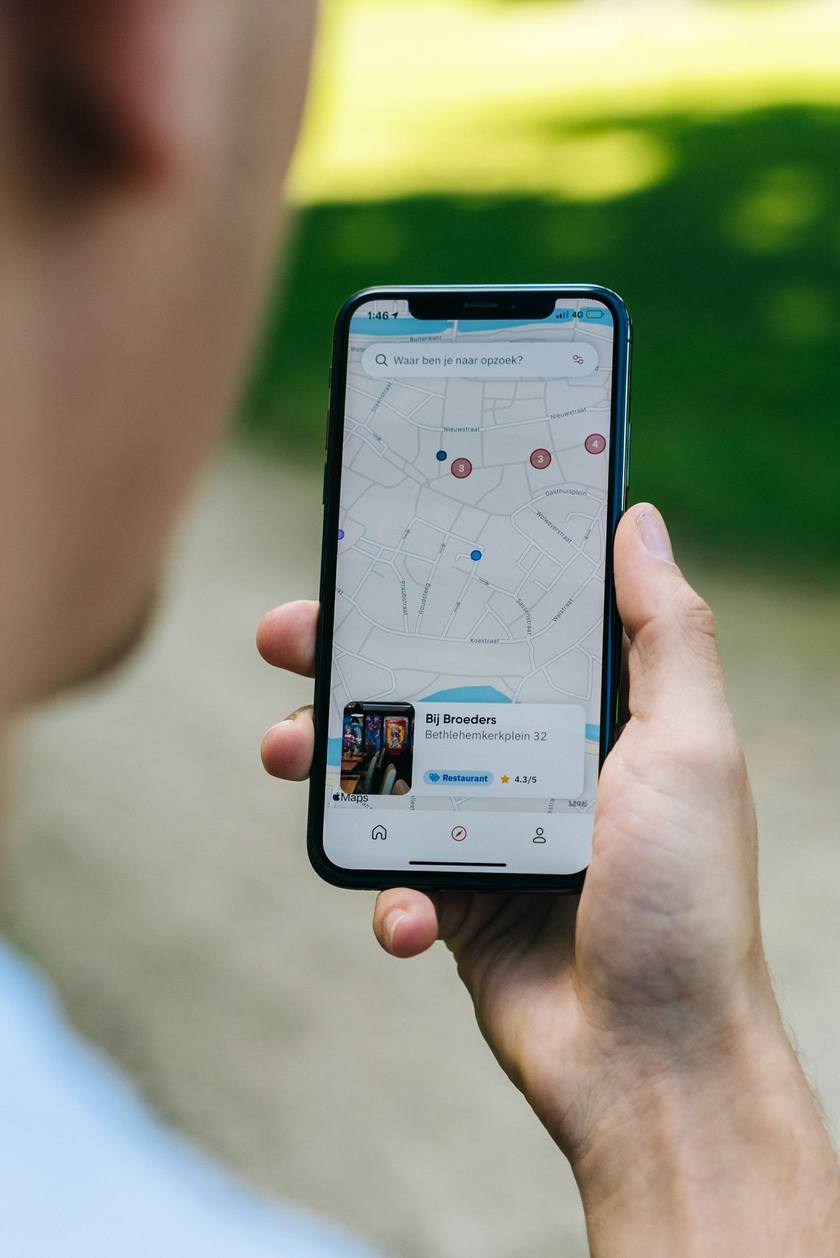
- Apple Maps — Critical for iOS users and Siri, which routes a significant share of mobile local searches. Many small businesses ignore this and lose voice search traffic.
- Bing Places — Feeds Microsoft's Bing Maps and Copilot local results. Smaller share than Google, but the setup takes fifteen minutes and the upside is real.
- Yelp — Still a primary data source that feeds dozens of downstream directories and apps. Yelp data propagates widely, so errors here multiply.
- Facebook Business Page — Used as a verification signal by multiple aggregators and increasingly by AI engines parsing social proof alongside NAP.
Get these five right before you do anything else.
Tier Two: Data Aggregators
Aggregators don't show up in consumer searches directly, but they distribute your data to hundreds of smaller directories automatically. The major ones in the US are Data Axle (formerly Infogroup), Localeze (Neustar), and Foursquare. Fixing your record at the aggregator level is the most efficient way to clean up downstream errors at scale — one correction propagates outward instead of requiring you to update fifty individual directories.
Tier Three: Niche and Local Directories
These are industry-specific directories (a plumber listed on Angi and HomeAdvisor, a restaurant on TripAdvisor and OpenTable) and local directories (city business associations, regional newspapers with business listings, local chamber of commerce sites). They add relevance signals — they tell search engines not just where you are but what category you belong to and that local institutions recognize you.
Niche directories matter, but they're last in line. Cleaning up a niche directory while your Google Business Profile has the wrong phone number is rearranging deck chairs.
Why Inconsistency Hurts More Than You Think
Here's the trap most business owners fall into: they update their phone number or move locations, update their website, maybe update Google Business Profile — and then stop. Months later, Yelp still has the old number. The aggregators have a variant of the address from when the building was renumbered. A local news article from three years ago still lists the old suite.
Search algorithms don't know which version is correct. They see conflicting signals and respond by reducing confidence in all of them. You get ranked lower for queries you should be winning.
The damage compounds with AI answer engines. When Perplexity or Google's AI Overview assembles a local answer, it pulls from multiple sources and looks for corroboration. If your NAP data is fragmented, the AI either shows the wrong information or skips you in favor of a competitor whose data is cleaner.
Inconsistent NAP data doesn't just confuse customers — it tells every search algorithm that your business can't be trusted as a local answer.
The subtler issue is formatting inconsistency. "Suite 4B" vs. "Ste. 4B" vs. "#4B" can register as three different addresses to a machine parsing text. Pick one format and use it everywhere, exactly.
Which Citations You Probably Don't Need
The citation-building industry has a long history of selling volume over quality. Hundreds of generic directories with low domain authority and no real user traffic add almost no ranking signal — and they create maintenance overhead when your information changes.
Skip or deprioritize:
- Generic "top 1000 directories" packages sold by SEO agencies
- Free directory sites with no editorial standards or active user base
- Directories that clearly exist only to sell backlinks
- Duplicate listings on the same platform (these actively hurt you)
Focus your energy on directories where your actual customers or referral sources might look for you, plus the tier-one platforms that feed the algorithms.
How Duplicate Listings Happen and Why They're Worse Than Missing Ones
Duplicates are created in a few ways: you or a previous owner created a listing years ago and forgot about it; a data aggregator auto-generated a listing from public records; someone else claimed a listing for your address; Google auto-creates listings from user suggestions.
When two listings exist for the same business on the same platform, search engines don't combine them — they treat them as competing signals that partially cancel each other out. Reviews split across two Yelp listings instead of accumulating on one. Google may show the wrong listing in Maps. The authority you've built on one listing doesn't transfer to the other.
Finding and suppressing duplicates is often the single highest-leverage citation task for a business that's been operating for more than a few years.
The Citation Audit Process
A proper citation audit has four phases: discovery, consistency check, duplicate identification, and correction prioritization.
Discovery means finding everywhere your business is currently mentioned. Start with a Google search for your exact business name in quotes, your phone number in quotes, and your address in quotes. Run the same searches on Bing. Use a tool like Moz Local, BrightLocal, or Whitespark to automate the crawl — these tools check hundreds of directories and return a report of where you exist and what each listing says.
Consistency check means comparing every listing against your canonical NAP — the exact name, address, and phone number you want everywhere. Note every variation, no matter how small.
Duplicate identification means looking for listings that represent the same location but appear as separate records. On Google Business Profile, you can flag duplicates for removal. On Yelp, you can merge or close duplicates through their support process.
Correction prioritization means fixing tier-one platforms first, then aggregators, then niche and local directories. Don't try to fix everything at once — you'll run out of energy and the high-value fixes will take just as long as the low-value ones.
Maintaining Citations After the Initial Fix
A citation audit is not a one-time project. Set a calendar reminder to run a lightweight audit every six months. More importantly, create a process for any business change that affects NAP:
- Address change: Update Google Business Profile and Bing Places the day you move. Submit corrections to the major aggregators within the first week. The downstream propagation takes 4–8 weeks.
- Phone number change: Same sequence. Old phone numbers linger in aggregator databases for months.
- Business name change: The hardest update — requires manual corrections at every platform because aggregators often treat a name change as a new business.
- Hours and category changes: These aren't NAP, but they're part of your Google Business Profile record and affect how often you appear in filtered searches.
The businesses that maintain strong local rankings over time aren't doing anything exotic — they're just keeping their data clean and current while their competitors let it drift.
Citations and AI Search in 2026
AI-powered answer engines have raised the stakes for citation accuracy in a specific way: they synthesize information rather than just linking to it. When an AI engine answers "best plumber near downtown Austin," it's not showing a list of links — it's generating a recommendation based on data it has already ingested from multiple sources.
If your citation data is inconsistent across those sources, the AI either omits you or, worse, presents wrong contact information to someone who was ready to call. That's a lead you'll never know you lost.
The structured data you add to your website reinforces your citation signals — your on-site LocalBusiness schema should match your NAP exactly. Think of it as one more corroborating source telling the algorithm the same thing every other source should be saying.
Citations are unglamorous infrastructure. They don't generate the excitement of a viral post or a paid campaign. But they're the foundation that determines whether any of your other local marketing actually works. Get the foundation right first.
“Inconsistent NAP data doesn't just confuse customers — it tells every search algorithm that your business can't be trusted as a local answer.”
| Area | Ad hoc / no process | Systematic audit-and-fix |
|---|---|---|
| Discovery | Guess which directories you're listed on based on memory | Crawl 100+ directories with an audit tool to find every existing listing |
| Inconsistencies | Unknown until a customer reports the wrong phone number | Identified and documented against a canonical NAP in a single pass |
| Duplicates | Left live, silently splitting reviews and ranking signals | Found and suppressed before building any new citations |
| Priority | Fix whatever comes up first, regardless of platform authority | Fix tier-one platforms and aggregators first for maximum ranking impact |
| Maintenance | React to problems after they affect rankings or customer calls | Scheduled six-month audits and a change-management process for NAP updates |
| New citations | Add listings to any directory that offers a free profile | Target only directories where customers actually search or that feed aggregators |
How to Audit and Fix Your Local Citations
- 01Define your canonical NAP. Before touching any listing, write down the exact business name, address, and phone number you want to appear everywhere — including how you abbreviate street types (St. vs Street) and suite numbers. This becomes your reference standard for every correction you make.
- 02Run a discovery crawl. Search Google and Bing for your business name in quotes, your phone number in quotes, and your address in quotes to surface existing mentions. Use a tool like BrightLocal, Moz Local, or Whitespark to automate a broader crawl across hundreds of directories and return a consolidated report.
- 03Identify and suppress duplicate listings. Flag any platform where your business appears more than once. On Google Business Profile, report duplicates through the 'Suggest an edit' flow or the Business Profile Manager. On Yelp, contact support to merge or close the duplicate. Resolve duplicates before making any other corrections.
- 04Fix tier-one platforms first. Correct your NAP on Google Business Profile, Apple Maps, Bing Places, Yelp, and Facebook in that order. These platforms carry the most ranking weight and some feed data to other directories, so fixing them first creates a clean foundation for downstream propagation.
- 05Submit corrections to data aggregators. Update your records with Data Axle, Localeze (Neustar), and Foursquare. Corrections here propagate automatically to hundreds of downstream directories over the following 4–8 weeks, which is more efficient than updating each small directory manually.
- 06Update niche and local directories. After tier-one and aggregators are clean, manually correct listings on industry-specific directories (Angi, TripAdvisor, Healthgrades, etc.) and local directories (chamber of commerce, city business listings) relevant to your category.
- 07Set a maintenance schedule and change-management process. Add a calendar reminder for a lightweight audit every six months. Create a written checklist of every platform to update whenever your address, phone number, or business name changes — so the next time you move, you don't let the old data linger for two years.